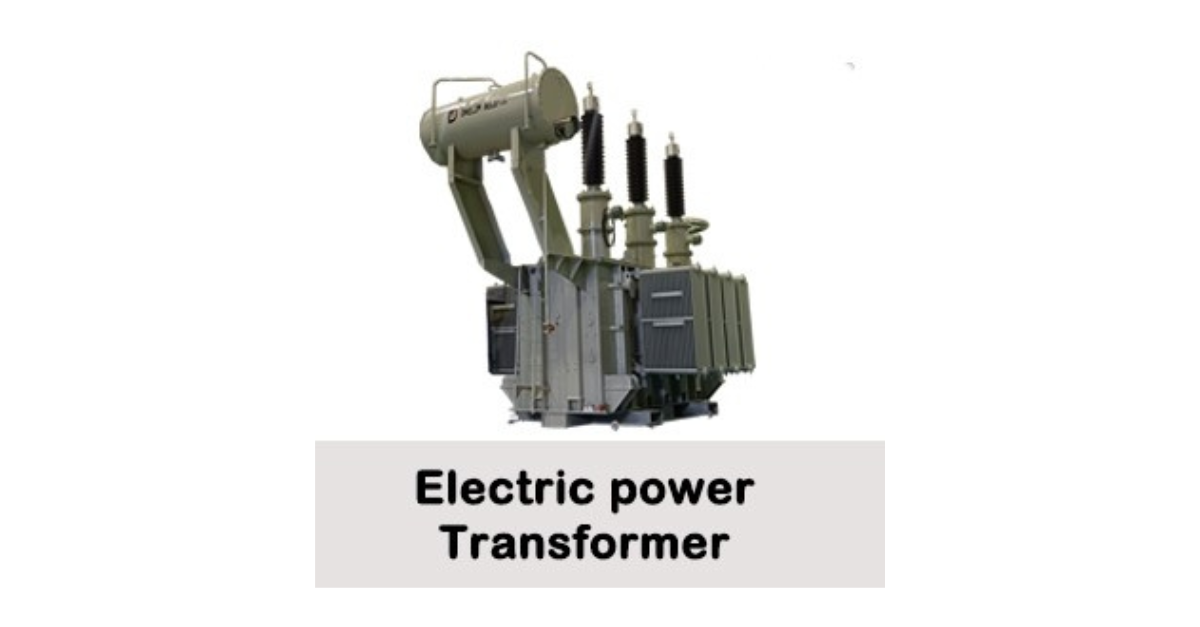
The efficiency of a transformer significantly affects the overall performance, cost-effectiveness, and reliability of a power system. Transformer efficiency refers to the ratio of the output power to the input power, expressed as a percentage, and is typically very high (95%-99%) in well-designed systems. However, even small inefficiencies can have far-reaching consequences due to the extensive use of transformers in power transmission and distribution. Here’s how transformer efficiency impacts the overall power system:
1. Energy Loss and Cost Implications
- Energy Loss in Transformers:
- Transformers experience energy losses in the form of core losses (iron losses) and copper losses:
- Core Losses: Caused by the alternating magnetic field in the transformer core (hysteresis and eddy currents).
- Copper Losses: Caused by the resistance of the windings, which generates heat when current flows.
- These losses, though small per transformer, add up significantly across a large power system with many transformers in operation.
- Transformers experience energy losses in the form of core losses (iron losses) and copper losses:
- Impact on the Power System:
- Higher energy losses reduce the overall efficiency of the power grid, increasing the amount of electricity that must be generated to meet demand.
- This results in higher operational costs for power utilities and can lead to higher electricity prices for consumers.
- Example:
- A 98% efficient transformer loses 2% of its input energy as heat. If the system requires 1 GW of power, a 2% loss means 20 MW of wasted energy. Over a year, this could translate to a significant financial and environmental cost.
2. System Capacity and Load Management
- Reduced Efficiency and Load Capacity:
- Inefficient transformers dissipate more energy as heat, which can reduce their capacity to handle loads effectively.
- This may lead to overheating, increased wear and tear, and reduced lifespan of the transformer.
- Impact on the Power System:
- Utilities may need to overcompensate by installing larger transformers or additional units to meet demand, increasing capital and maintenance costs.
- Overloaded or inefficient transformers can lead to instability in the power grid and potential power outages.
3. Environmental Impact
- Increased Greenhouse Gas Emissions:
- Energy losses in transformers indirectly contribute to higher greenhouse gas emissions if the additional power required to offset losses is generated from fossil fuels.
- Impact on the Power System:
- Improving transformer efficiency reduces overall energy consumption, lowering the carbon footprint of the power grid and supporting sustainability goals.
4. Voltage Regulation and Power Quality
- Voltage Drops:
- An inefficient transformer may cause greater voltage drops due to higher internal losses, affecting the quality of power delivered to end-users.
- Impact on the Power System:
- Poor voltage regulation can lead to underperformance or damage to sensitive electrical equipment connected to the grid.
- Maintaining efficient transformers ensures stable voltage levels and improved power quality for consumers.
5. Grid Stability and Reliability
- Heat Dissipation Challenges:
- Transformers with lower efficiency generate more heat, requiring additional cooling systems and increasing the risk of overheating during high demand periods.
- Impact on the Power System:
- Overheating can lead to transformer failures, which disrupt power supply and compromise grid reliability.
- Efficient transformers reduce thermal stress and improve the overall reliability of the power system.
6. Integration with Renewable Energy
- Energy Efficiency for Sustainable Grids:
- The integration of renewable energy sources (solar, wind) into the grid requires highly efficient transformers to minimize losses, especially since renewables often generate power at variable voltages and outputs.
- Impact on the Power System:
- Inefficient transformers could negate some of the environmental benefits of renewable energy by increasing the energy required for transmission and distribution.
- High-efficiency transformers support renewable energy integration by reducing energy losses and maintaining grid balance.
7. Economic Benefits
- Lower Operating Costs:
- Efficient transformers reduce the energy wasted in transmission and distribution, lowering operating costs for utilities.
- Impact on the Power System:
- Savings from reduced energy losses can be passed on to consumers in the form of lower electricity rates.
- Efficient systems are also more attractive for investment and modernization efforts.
8. Examples of High-Efficiency Transformer Impact
- Energy-Efficient Transformers:
- Modern transformers use advanced materials, such as amorphous cores, to reduce losses. These are particularly useful in applications with fluctuating loads (e.g., renewable energy systems).
- Case Studies:
- Utility companies that have upgraded to high-efficiency transformers report lower operating costs, reduced carbon footprints, and improved grid reliability.
Conclusion
Transformer efficiency directly impacts the cost, reliability, and sustainability of a power system. By minimizing energy losses, efficient transformers help utilities reduce operating expenses, ensure stable power delivery, and lower environmental impact. In a world increasingly focused on energy conservation and renewable energy, high-efficiency transformers are a critical component for building a robust and sustainable power grid.
Hashtags
#TransformerEfficiency #EnergyEfficientTransformers #HighEfficiencyTransformers #EfficientPowerTransfer #TransformerPerformance #LowEnergyLoss #OptimalEnergyConversion #EcoEfficientTransformers #EnergyLossReduction #MinimizedEnergyLoss #PowerSystemEfficiency #ReducedTransmissionLosses #ElectricalEnergyConservation #EfficientGrid #EnergySavings #PowerSystemPerformance #ReliableEnergyTransfer #PowerSystemOptimization #VoltageStability #GridReliability #PowerDistributionEfficiency #ImprovedEnergyFlow #CoreLosses #CopperLosses #TransformerLosses #IronLossReduction #WindingResistance #EfficiencyOptimization