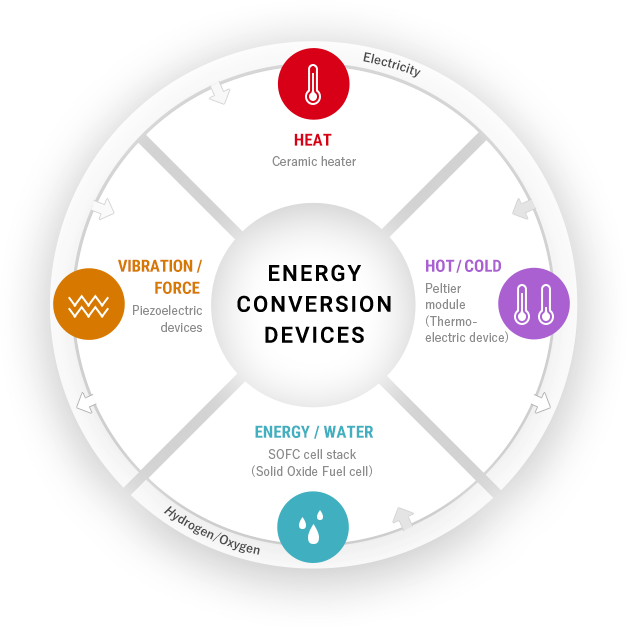
Electrical devices play a vital role in the conversion and control of energy within electrical systems, ensuring that energy is transformed from one form to another efficiently and managed properly to meet the needs of various applications. Here’s an overview of how electrical devices contribute to energy conversion and control:
1. Energy Conversion
Energy conversion refers to the process of transforming one form of energy into another. Electrical devices facilitate this transformation by using principles of electromagnetism, resistance, and other physical properties.
Key Electrical Devices in Energy Conversion:
- Transformers
- Function: Transformers convert alternating current (AC) voltages from one level to another (step-up or step-down). They work based on electromagnetic induction, where energy is transferred between coils of wire.
- Energy Conversion: Transformers convert electrical energy at one voltage level to a different voltage level for efficient transmission or use in various electrical systems.
- Example: Step-up transformers increase voltage for transmission over long distances, while step-down transformers lower voltage for use in homes or factories.
- Motors
- Function: Electric motors convert electrical energy into mechanical energy (motion) by using the interaction between a magnetic field and a current-carrying conductor.
- Energy Conversion: Electrical motors are found in various applications where mechanical work is needed, such as in fans, pumps, vehicles, industrial machinery, and household appliances.
- Example: Induction motors convert electrical energy to mechanical energy in appliances like washing machines, whereas DC motors are used in devices like electric vehicles.
- Generators
- Function: Generators convert mechanical energy into electrical energy through electromagnetic induction, generating electricity by rotating a coil within a magnetic field.
- Energy Conversion: Mechanical energy (from wind, steam, or water) is converted into electrical energy, often used for power generation.
- Example: Wind turbines use the mechanical energy from wind to rotate blades that drive a generator, converting wind energy into electrical power.
- Photovoltaic Cells (Solar Panels)
- Function: Solar panels convert solar energy (sunlight) into electrical energy using the photovoltaic effect, where light photons generate electric current in semiconductor materials.
- Energy Conversion: Solar cells directly convert sunlight into usable electrical energy without moving parts, making them key in renewable energy applications.
- Example: Solar panels installed on buildings or in solar farms generate electricity for homes, businesses, or the grid.
- Batteries and Fuel Cells
- Function: Batteries store electrical energy in chemical form and convert it back into electrical energy when needed. Fuel cells generate electrical energy through chemical reactions (usually between hydrogen and oxygen).
- Energy Conversion: Batteries and fuel cells store energy for use in electronics, electric vehicles, and backup power applications. They provide portable power in various sectors.
- Example: A lithium-ion battery stores energy in electronic devices like smartphones, while hydrogen fuel cells are used to power fuel-cell vehicles.
2. Energy Control
Energy control refers to managing the flow of energy in systems to ensure that it is used efficiently, safely, and appropriately. Electrical devices are used to monitor, regulate, and switch electrical energy flow.
Key Electrical Devices in Energy Control:
- Circuit Breakers
- Function: Circuit breakers automatically interrupt the flow of electricity when there is an overload, short circuit, or other electrical fault. They help prevent equipment damage and ensure safety.
- Energy Control: By disconnecting faulty circuits, they protect equipment, reduce the risk of fire, and control the distribution of electrical power.
- Example: Circuit breakers in residential or industrial electrical panels prevent damage to electrical wiring and appliances from overcurrent or faults.
- Relays
- Function: Relays are used to control the opening or closing of electrical circuits by responding to signals or conditions such as overcurrent, voltage fluctuations, or temperature changes.
- Energy Control: Relays act as switches that enable automation and protection. They can trigger other devices like circuit breakers to turn on/off or to monitor fault conditions in the system.
- Example: Overcurrent relays are used in power systems to detect high current levels and trip circuit breakers to protect equipment from damage.
- Voltage Regulators
- Function: Voltage regulators maintain a consistent voltage level within a system despite fluctuations in input voltage.
- Energy Control: Voltage regulators ensure that sensitive electrical equipment receives the correct voltage, preventing overvoltage or undervoltage that could damage components.
- Example: A home voltage stabilizer ensures that household appliances like refrigerators and air conditioners receive steady voltage, especially in areas with fluctuating grid supply.
- Fuses
- Function: A fuse is a simple device that protects circuits by breaking the connection when the current exceeds a safe level.
- Energy Control: Fuses are used as safety devices to prevent excessive current from damaging circuits. They work by melting a wire when the current is too high, thereby interrupting the circuit.
- Example: Fuses in household appliances, power strips, and automobiles ensure that the circuit is disconnected when an overload occurs.
- Switches
- Function: Switches control the flow of electricity in a circuit by either opening or closing it manually or automatically.
- Energy Control: Switches enable the operator to control which parts of a system receive power, either for regular operation or for maintenance purposes.
- Example: A light switch controls the flow of electrical energy to a bulb, turning it on or off as needed.
- Capacitors and Inductors
- Function: Capacitors store and release electrical energy, while inductors store energy in a magnetic field created by an electrical current.
- Energy Control: These components are used in filtering, smoothing, and energy storage to maintain steady power supply, particularly in alternating current (AC) systems.
- Example: Capacitors are used in power factor correction to maintain voltage stability in AC systems, while inductors are used in transformers to regulate current flow.
- Energy Meters and Monitoring Systems
- Function: Energy meters measure the amount of electrical energy consumed in a system or facility.
- Energy Control: These devices are used to track and monitor energy usage, enabling operators to optimize energy consumption, identify inefficiencies, and ensure that power distribution is balanced.
- Example: Smart meters in homes and businesses allow utilities to track energy consumption in real-time, offering dynamic pricing and encouraging energy conservation.
- Inverters
- Function: Inverters convert DC (direct current) to AC (alternating current), which is required for most home appliances and the power grid.
- Energy Conversion & Control: Inverters allow the integration of DC power sources (e.g., solar panels or batteries) into AC-based systems. They also regulate voltage and frequency to ensure compatibility with the electrical grid.
- Example: Solar inverters convert the DC power produced by solar panels into usable AC power for homes or the grid.
3. Energy Conversion and Control in Renewable Energy Systems
- Wind and Solar Power Systems: Electrical devices like inverters, battery storage systems, charge controllers, and transformers help convert, store, and control energy from renewable sources.
- Hydroelectric Power Systems: Generators, transformers, and turbines are used to convert mechanical energy from water flow into electrical energy and control its distribution.
Conclusion
Electrical devices play a crucial role in both energy conversion and energy control within electrical systems. Transformers, motors, generators, and solar cells convert energy from one form to another, while circuit breakers, relays, switches, and voltage regulators ensure that the energy is safely and efficiently controlled, distributed, and used. By enabling these conversions and controls, these devices help optimize the flow of energy, enhance system reliability, and prevent damage to both the electrical infrastructure and the devices it powers
Hashtags
#EnergyConversion #TransformerTechnology #PowerTransformation #VoltageConversion #StepUpTransformer #StepDownTransformer #PowerDistribution #ElectricalEnergyTransfer #TransformersForPower #ElectricMotors #EnergyToMechanicalPower #MotorControl #ElectricDriveSystems #DCMotors #ACMotors #InductionMotors #ElectricMotorConversion #ServoMotors #EnergyEfficientMotors #ElectricalGenerators #EnergyGeneration #PowerGeneration #ElectricityGeneration #RenewableEnergyGeneration #GeneratorTechnology #BackupGenerators #HydroelectricGenerators #WindPowerGeneration #SolarPowerGeneration #Rectifiers #ACtoDCConversion #PowerRectification #DCPowerSupply