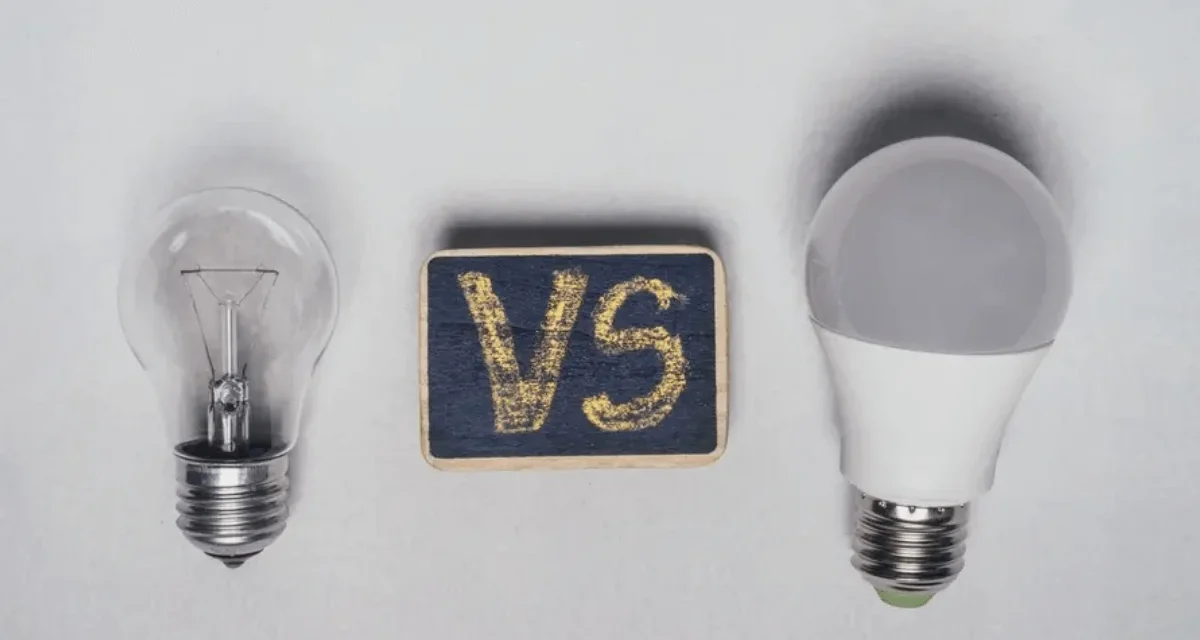
LED (Light Emitting Diode) products differ from traditional lighting solutions in several key ways, including their energy efficiency, longevity, environmental impact, and overall performance. Here’s a comparison highlighting these differences:
1. Energy Efficiency
- LEDs:
- Highly Efficient: LEDs convert a higher percentage of electrical energy into light, using less power to produce the same amount of light as traditional lighting. As a result, LEDs consume significantly less energy, reducing electricity bills.
- Low Heat Emission: LEDs produce very little heat compared to incandescent or halogen bulbs, making them more efficient and safer to use.
- Traditional Lighting (Incandescent, Halogen, Fluorescent):
- Inefficient: Traditional lighting options, such as incandescent and halogen bulbs, waste a large portion of energy as heat, making them less efficient. Fluorescent bulbs are more efficient than incandescent but still not as efficient as LEDs.
- High Heat Generation: Incandescent and halogen bulbs emit a lot of heat, which can increase cooling costs, especially in warm environments.
2. Lifespan
- LEDs:
- Long Lifespan: LEDs last significantly longer than traditional bulbs. While incandescent bulbs last around 1,000 hours and halogen bulbs around 2,000 hours, LEDs can last up to 25,000–50,000 hours or more.
- Lower Maintenance: Due to their longer lifespan, LEDs reduce the frequency of replacement, making them more cost-effective over time.
- Traditional Lighting:
- Shorter Lifespan: Incandescent bulbs typically last about 1,000 hours, while halogen bulbs last around 2,000 hours, and fluorescent bulbs typically last around 8,000–15,000 hours.
- Higher Maintenance Costs: With shorter lifespans, traditional lighting requires more frequent replacements, leading to higher maintenance costs.
3. Environmental Impact
- LEDs:
- Eco-Friendly: LEDs are energy-efficient and environmentally friendly. They contain no hazardous materials like mercury (found in fluorescent bulbs), and their energy savings help reduce carbon emissions.
- Recyclable: LEDs are more easily recyclable than traditional light sources.
- Traditional Lighting:
- Contains Hazardous Materials: Fluorescent and compact fluorescent lamps (CFLs) contain small amounts of mercury, which can be harmful to the environment if broken or improperly disposed of.
- Higher Environmental Impact: Traditional bulbs use more energy, contributing to higher greenhouse gas emissions.
4. Light Quality
- LEDs:
- Instant Light: LEDs reach full brightness immediately when turned on, unlike fluorescent lights that may take time to warm up.
- Adjustable Color Temperature: LEDs are available in a wide range of color temperatures, from warm white to cool white, allowing for customizable lighting effects.
- No Flicker: LEDs provide consistent, flicker-free light, improving visual comfort and reducing eye strain.
- Traditional Lighting:
- Warm-Up Time: Incandescent and halogen bulbs immediately emit full brightness, while fluorescent lights may take time to warm up, especially in colder temperatures.
- Limited Color Options: Traditional lights, especially incandescent and halogen bulbs, generally produce a yellowish, warm light. Fluorescent lights may have a harsher or colder color.
5. Cost
- LEDs:
- Higher Initial Cost: LEDs typically have a higher upfront cost than traditional bulbs. However, their long lifespan and energy efficiency lead to significant savings in energy bills and maintenance costs over time.
- Lower Operating Cost: Over the long term, LEDs save more money due to their energy efficiency and durability.
- Traditional Lighting:
- Lower Initial Cost: Incandescent and halogen bulbs are generally cheaper to purchase initially. Fluorescent lights are also relatively inexpensive.
- Higher Operating Costs: The higher energy consumption and shorter lifespan of traditional bulbs mean they are more expensive to operate over time.
6. Durability and Robustness
- LEDs:
- More Durable: LEDs are solid-state lighting (SSL), meaning they are not made of fragile glass and can withstand impacts and vibrations. This makes them suitable for a wide range of applications, including outdoor and industrial use.
- Better for Extreme Conditions: LEDs can perform better in extreme temperatures (both hot and cold) compared to traditional bulbs.
- Traditional Lighting:
- Fragile: Incandescent and halogen bulbs are made of glass and can easily break upon impact. Fluorescent bulbs are also fragile and can break easily, especially if mishandled.
- Sensitive to Temperature: Fluorescent bulbs can be affected by cold temperatures, with reduced light output and efficiency in colder conditions.
7. Dimming and Control
- LEDs:
- Dimmable: Many LED products are compatible with dimmer switches and allow for smooth dimming without flicker or loss of color quality. However, it’s important to use dimmable LEDs and compatible dimmer switches.
- Smart Lighting: LEDs are commonly used in smart lighting systems, where they can be controlled remotely or programmed for various effects and schedules.
- Traditional Lighting:
- Limited Dimming Options: While incandescent and halogen bulbs are easily dimmable, fluorescent lights often require special dimmable fixtures and may not dim smoothly.
- Less Smart Capability: Traditional lights are not generally compatible with smart home systems, limiting control and customization options.
8. Size and Design Flexibility
- LEDs:
- Compact Size: LEDs are very small and can be designed in various shapes and sizes. This allows for more versatile and creative lighting designs, including recessed lighting, thin light panels, and flexible strips.
- Customizable Design: Due to their small size, LEDs can be used in a variety of lighting fixtures, offering more flexibility in design.
- Traditional Lighting:
- Larger Form Factor: Incandescent and halogen bulbs are bulkier and require larger fixtures. Fluorescent tubes are even larger and less versatile in terms of design and placement.
9. Performance in Different Applications
- LEDs:
- Widely Used in All Applications: LEDs are used for various applications, including general lighting, task lighting, automotive lights, street lights, and decorative lighting, due to their versatility and performance.
- Efficient in Both Indoor and Outdoor Settings: LEDs are effective in a wide range of environments, from residential homes to large commercial spaces, as well as in outdoor or exposed conditions.
- Traditional Lighting:
- Best for Basic Lighting Needs: Incandescent bulbs are best for general household lighting, but their use is increasingly limited due to their inefficiency. Fluorescent lights are often used in offices, schools, and industrial settings but are being replaced by LEDs.
Conclusion:
LED products significantly outperform traditional lighting solutions in terms of energy efficiency, lifespan, environmental impact, and versatility. Although LEDs tend to have a higher initial cost, their long-term savings, sustainability, and advanced features like dimming and smart control make them a far superior option for most lighting applications. As the technology continues to improve, LEDs are expected to dominate the lighting market across residential, commercial, and industrial sectors.
Hashtags
#LEDLightingEfficiency #EnergySavingLEDs #EfficientLightingSolutions #SaveEnergyWithLEDs #LowPowerLighting #LEDsSaveElectricity #EcoFriendlyLighting #PowerEfficientLights #LEDLightingForSavings #SustainableLighting #LongevityandDurability #LongLastingLEDs #DurableLEDLighting #LEDsForLongLife #ExtendedLifespanLEDs #LongTermLightingSolutions #LEDsOutlastTraditionalLights #DurableLightingTech #LEDLightingEndurance #LessFrequentReplacement #LastingLightingSolutions #CostEffectiveness #CostEffectiveLEDLighting #LEDsReduceElectricityBills #LowMaintenanceLEDs #AffordableEnergySolutions #SavingsWithLEDs #LEDsForBudgetFriendlyLighting #LEDCostSavings #LongTermSavingsWithLEDs #EconomicalLightingChoice #LEDLightingROI #EnvironmentalImpact #EcoFriendlyLEDs #GreenLightingSolutions #SustainableLighting