How do wires and cables function within an electrical system?
Wires and cables are essential components in any electrical system, serving as the pathways that carry electrical current between different parts of a circuit. They play a critical role in ensuring that electrical energy is transmitted safely and efficiently from one point to another, whether it’s powering household appliances, industrial machines, or large power grids.
Key Functions of Wires and Cables in Electrical Systems:
- Conducting Electrical Current:
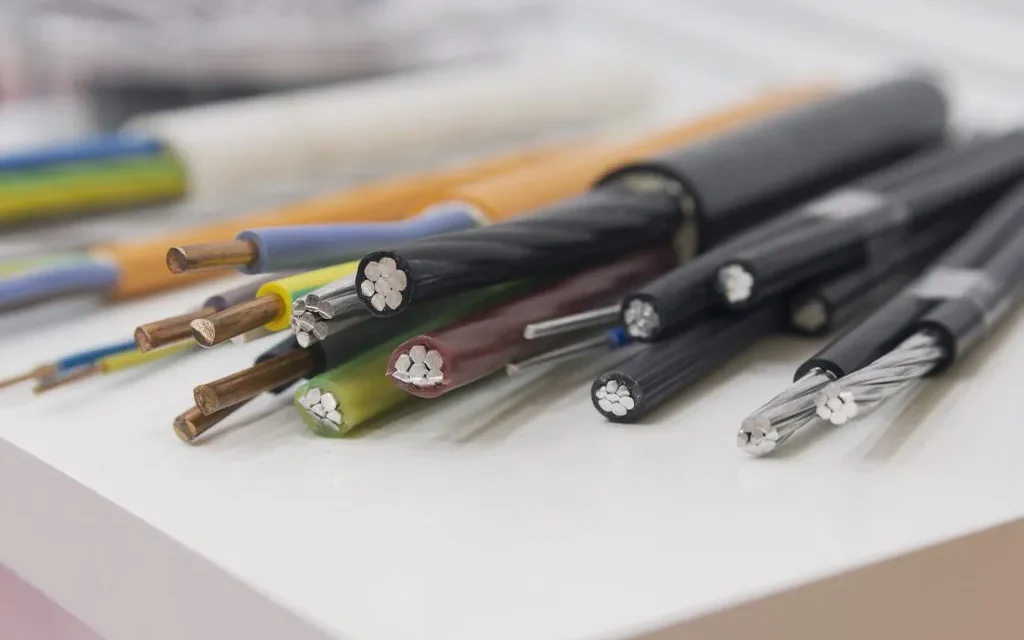
- The primary function of wires and cables is to conduct electrical current from a power source (e.g., a power plant, battery, or electrical outlet) to electrical devices or machinery. This is accomplished through conductive materials, such as copper or aluminum, which have high electrical conductivity.
- Providing Electrical Pathways:
- Wires and cables form the pathways through which electricity flows. In a basic circuit, the wire connects the power source to the electrical load (e.g., a light bulb, motor, or appliance). The wires must be properly sized and insulated to carry the appropriate amount of current without overheating or short-circuiting.
- Insulating and Protecting the Conductors:
- Most electrical wires and cables are wrapped in insulation, a non-conductive material (such as rubber, PVC, or Teflon) that prevents electrical current from leaking out of the wire and coming into contact with people or other conductive materials. The insulation also helps to protect the wire from physical damage, chemicals, moisture, and other environmental factors.
- Preventing Electrical Hazards:
- In addition to insulation, cables and wires are designed to provide safety in electrical systems. The insulation ensures that electrical current does not flow in unintended directions, reducing the risk of short circuits, electrical fires, or electrocution.
- In some specialized wires and cables, fire-resistant coatings or flame-retardant materials are used to minimize the risk of fire in case of a fault.
- Carrying High-Voltage or Low-Voltage Signals:
- Electrical wires and cables are designed to carry either low-voltage signals (used in consumer electronics, communication systems, and sensors) or high-voltage power (used in power distribution and industrial machinery).
- In low-voltage systems, cables might carry signals (such as those in data transmission cables or audio/video cables) rather than power, using materials and insulation that minimize signal loss or interference.
- Power cables, which are designed to handle high currents and voltages, are typically larger in size and use more robust insulation.
- Transmission of Power Over Long Distances:
- In electrical distribution systems, especially for high-voltage power transmission, wires and cables are used to transport electricity over long distances from power plants to substations and finally to homes and businesses.
- High-voltage transmission lines are often suspended in the air using poles or towers to minimize losses in energy. For underground applications or in sensitive areas, cables are buried to ensure safety and reliability.
- Flexibility and Durability:
- For certain applications (such as in industrial machinery or automotive systems), wires and cables must be flexible enough to withstand movement, bending, and vibration. This is achieved by using specialized materials and construction techniques that provide both strength and flexibility while maintaining the ability to carry current without failure.
- Grounding:
- Ground wires (or earth wires) are an essential part of an electrical system, providing a safe path for excess electrical current to flow into the ground in case of a fault. Grounding helps protect people and equipment from electric shocks and prevents equipment from being damaged due to overvoltage conditions or short circuits.
- Signal Transmission:
- Wires and cables are also crucial for data transmission in modern electrical systems, such as in telecommunications, networking, and computing. Cables like fiber optics, coaxial cables, and twisted-pair cables are designed to carry signals over long distances with minimal interference and signal loss.
Types of Wires and Cables in Electrical Systems:
- Power Cables: Used for carrying electrical power in both low and high-voltage systems.
- Control Cables: Designed for transmitting control signals and commands in systems such as automated factories or home automation.
- Communication Cables: Includes cables like Ethernet cables, coaxial cables, and fiber-optic cables used to carry data and signals in networking and telecommunications.
- Flexible Cables: Used where flexibility is essential, such as in robotics, appliances, or portable electronics.
- Underground Cables: Used for underground power transmission, where durable and insulated cables are required to withstand external environmental conditions.
- Low-Voltage Cables: Used in household and commercial electrical installations to deliver power to appliances, outlets, and lights.
- High-Voltage Cables: Designed for the transmission of electricity over long distances from power stations to substations and from substations to end-users.
Wires and cables are fundamental to the functioning of electrical systems, enabling the safe and efficient flow of electricity from sources to consumers.