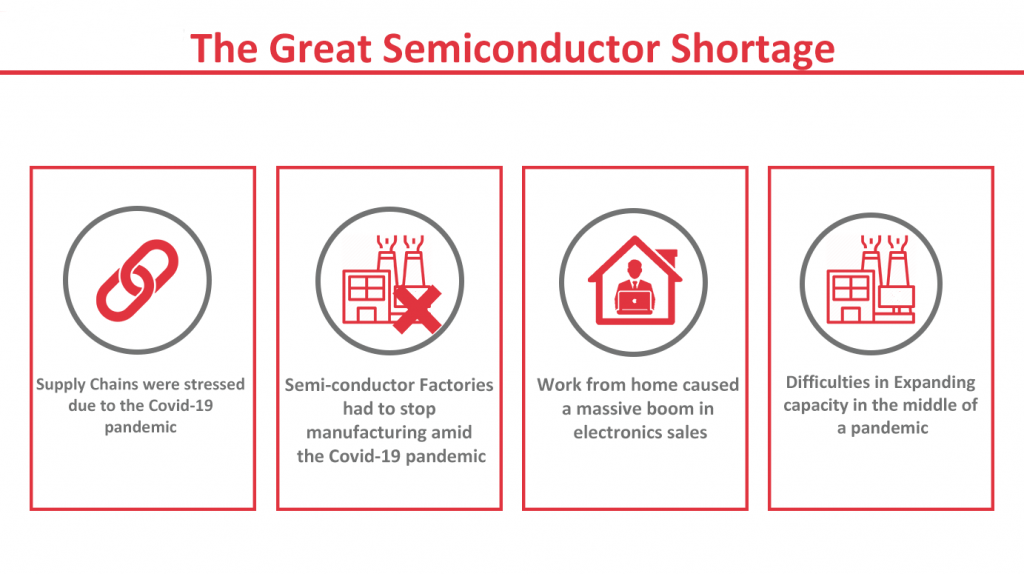
The global semiconductor shortage has had a significant and wide-reaching impact on the electronics industry, causing disruptions across various sectors. The shortage, which began in 2020 and has continued into recent years, has been caused by a combination of factors, including the COVID-19 pandemic, supply chain disruptions, increased demand, and manufacturing challenges. Here are the key ways this shortage has affected the electronics industry:
1. Delayed Production and Supply Chain Disruptions
- Manufacturing Delays: The shortage has caused delays in the production of consumer electronics, such as smartphones, laptops, game consoles, and automotive electronics. Manufacturers have had to delay product launches or reduce production output due to the limited availability of semiconductors.
- Component Shortages: Many electronic products rely on a variety of semiconductor chips, including microcontrollers, processors, memory chips, and power management ICs. When one type of chip is in short supply, it can halt the production of entire devices, creating bottlenecks in the supply chain.
- Increased Lead Times: The lead times for semiconductor components have increased dramatically. It can now take months to receive certain semiconductor parts, which affects the ability of companies to plan their production schedules and meet customer demand on time.
2. Rising Costs and Price Increases
- Higher Component Prices: As demand for semiconductors has outstripped supply, the prices for certain semiconductor components have risen sharply. This price increase has translated into higher production costs for electronics manufacturers, especially for complex devices like smartphones, computers, and home appliances.
- Increased Product Prices: To compensate for higher costs, manufacturers have been forced to raise the prices of finished products. For example, the prices of smartphones and laptops have increased due to the higher cost of the chips inside them.
- Price Volatility: The semiconductor shortage has created an environment of price volatility, where the prices of chips can fluctuate rapidly depending on availability. This instability makes it harder for manufacturers to budget and forecast their costs accurately.
3. Impact on Product Innovation and Development
- Slower Innovation: The shortage has slowed the development of next-generation products, particularly in industries that rely on cutting-edge semiconductor technologies. For example, the development of 5G smartphones, AI-powered devices, and advanced gaming consoles has been delayed as manufacturers struggle to secure the required chips.
- Reduced Availability of High-End Features: In some cases, premium or high-end features in electronics, such as advanced camera sensors or high-performance processors, may be scaled back or delayed, as manufacturers prioritize more basic models due to semiconductor supply constraints.
4. Automotive Industry Disruptions
- Automotive Chip Shortage: The automotive industry has been particularly hard hit by the semiconductor shortage, as modern vehicles contain hundreds of semiconductor chips for various functions, including engine control, safety systems, infotainment, and autonomous driving technologies.
- Factory Shutdowns: Major automotive manufacturers like General Motors, Ford, Volkswagen, and Toyota have had to temporarily shut down or reduce production at their factories because of the lack of semiconductor chips. In some cases, production of specific models has been halted entirely.
- Delayed Vehicle Deliveries: The shortage has led to delayed vehicle deliveries, causing significant backlogs in the supply of new cars and trucks. Customers may face extended waiting periods before they can receive their vehicles.
5. Impact on Consumer Electronics
- Shortages of Popular Devices: The shortage has resulted in limited availability of popular consumer electronics like smartphones, tablets, gaming consoles, and televisions. Products like the PlayStation 5 and Xbox Series X have been in particularly short supply, as semiconductor components are needed for manufacturing these high-demand devices.
- E-commerce Strain: The shortage has caused price inflation on platforms like eBay, where resellers take advantage of the supply scarcity. Consumers have been forced to pay inflated prices for hard-to-find electronics, creating dissatisfaction in the market.
- Reduced Production Volumes: Electronics manufacturers are forced to prioritize production of high-margin products or those with a guaranteed customer base, meaning that the production volume of less popular or lower-margin devices is often reduced or delayed.
6. Impact on the Technology Ecosystem
- Strain on Startups: Smaller companies, including startups and tech innovators, are more vulnerable to the semiconductor shortage, as they may not have the clout to secure critical components. This can stifle innovation and lead to delays in the development of new technologies.
- R&D Delays: Many companies have had to slow down their research and development (R&D) projects due to limited access to the semiconductor components needed for prototypes and testing. This can slow the overall pace of technological advancement in industries such as AI, 5G, and autonomous vehicles.
7. Regional Disparities
- Geopolitical Tensions: The shortage has highlighted the dependence of many countries on semiconductor supply chains, which are heavily concentrated in regions like Taiwan, South Korea, and China. Geopolitical tensions, particularly between the U.S. and China, have complicated efforts to secure a stable and diversified supply of chips, as trade restrictions and tariffs can limit access to critical semiconductor materials.
- Efforts to Boost Domestic Production: In response to the shortage, countries like the United States, the European Union, and Japan have begun investing in the development of domestic semiconductor manufacturing facilities to reduce their reliance on foreign suppliers and mitigate the impact of future shortages.
8. Long-Term Effects
- Reshaping Supply Chains: The semiconductor shortage has forced companies to rethink and diversify their supply chains to reduce the risks associated with relying on a small number of suppliers. Manufacturers are now looking to establish alternative sources of semiconductors and explore regionalization of production to avoid future disruptions.
- Technological Investment: The shortage has also accelerated efforts to invest in advanced semiconductor manufacturing technologies, including the development of next-generation fabrication plants (fabs), to meet the growing demand for chips. Governments and private companies are allocating funds to build new fabs in order to strengthen the global semiconductor supply chain in the future.
- Chip Resilience: Companies are beginning to focus on creating more resilient chip supply chains, ensuring that chips can be produced and distributed in a more efficient and less volatile manner. This might involve inventory management, long-term supplier relationships, and collaborations to avoid major disruptions.
Conclusion
The global semiconductor shortage has had a profound impact on the electronics industry, affecting everything from production timelines and costs to product availability and innovation. While some of the issues may be resolved as the industry adapts and increases production capacity, the shortage has underscored the critical importance of semiconductors in modern technology and the vulnerabilities associated with global supply chains. The crisis has prompted governments and companies alike to invest in semiconductor manufacturing to ensure more stable and resilient supply chains in the future.
Hashtags
#SemiconductorShortage #ElectronicsShortage #ChipShortageImpact #GlobalChipShortage #SemiconductorSupplyCrisis #TechSupplyChain #ElectronicsManufacturingDelay #SupplyChainDisruptions #ChipSupplyChain #SupplyChainCrisis #SemiconductorSupplyChain #TechSupplyChainCrisis #GlobalLogisticsChallenges #SemiconductorManufacturingDelay #ConsumerElectronicsShortage #SmartphoneChipShortage #LaptopChipShortage #TVChipShortage #SmartDeviceShortage #WearablesChipShortage #ElectronicsProductDelay #AutoIndustryChipShortage #CarChipShortage #AutomotiveSemiconductorCrisis #AutomotiveTechShortage #SemiconductorInAutomotive #AutoManufacturingDelay #EVChipShortage #ChipPriceIncrease #TechPriceRise #ElectronicsPriceHike #SemiconductorCostIncrease #PriceIncreaseInTech #RisingTechCosts #SemiconductorPricing #ManufacturingDelays #TechProductionDelay #SemiconductorManufacturing