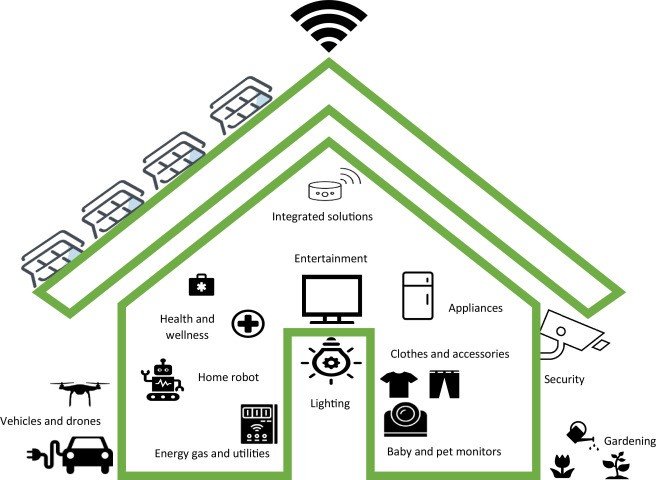
The integration of electrical goods and LED products in smart homes has a significant impact on energy management, enhancing both efficiency and convenience. Smart homes leverage advanced technologies to optimize energy consumption, reduce waste, and improve user control. Here’s how these integrations influence energy management:
1. Energy Efficiency through Smart LEDs
- Automated Dimming and Scheduling: Smart LEDs can automatically adjust their brightness based on the time of day, occupancy, or ambient light levels, ensuring that lights are only on when needed and at the appropriate intensity. For example, lights can dim when natural light is sufficient, reducing overall energy usage.
- Color Temperature Adjustment: Many smart LEDs allow users to adjust the color temperature to suit the time of day or activity. Cooler light in the morning helps with alertness, while warmer light in the evening can create a relaxed ambiance. This level of control can also enhance comfort while ensuring that energy is not wasted on unnecessary lighting.
- Remote Control: With the integration of smart home hubs (like Amazon Alexa, Google Assistant, or Apple HomeKit), users can control LED lights remotely. This allows them to turn lights off or adjust settings even when they are not at home, preventing energy waste due to forgotten lights.
2. Optimized Energy Consumption
- Smart Plugs and Appliances: Electrical goods like smart plugs, thermostats, and appliances (e.g., smart fridges, washing machines, air conditioners) allow homeowners to monitor and control energy usage. Smart plugs can measure the energy consumption of individual devices, allowing users to track which appliances use the most energy and make informed decisions about how to use them more efficiently.
- Energy Monitoring: Many smart home systems offer real-time energy monitoring, providing users with data on how much energy is being consumed by various devices in the home. This can be invaluable for identifying high-energy users and areas where savings can be made.
- Adaptive Scheduling: Certain smart home systems allow appliances to be scheduled to run during off-peak hours when electricity is cheaper and more abundant, reducing energy costs. For instance, a smart thermostat might turn the heating or cooling on just before the occupants return home, ensuring comfort without wasting energy while the house is empty.
3. Integration with Renewable Energy Systems
- Solar Power Integration: In smart homes that include solar panels, smart energy management systems can optimize how electricity from renewable sources is used. LED lights, appliances, and other electrical goods can be powered directly from the solar panels, reducing reliance on grid electricity and promoting sustainability.
- Battery Storage: When integrated with home battery storage systems, smart energy management systems can store excess energy generated by solar panels or other renewable sources for later use. This ensures that energy is used most efficiently, reducing the need for power from the grid during peak hours and decreasing electricity costs.
4. Real-Time Energy Usage Feedback
- App-Based Control: Many smart home systems allow users to view detailed energy usage reports via apps or smart devices. This feedback encourages homeowners to make real-time decisions about turning off devices or adjusting settings to save energy. Alerts can also be sent when a particular device is consuming more energy than expected.
- Incentivized Energy Saving: Some smart home systems integrate with utility providers to take advantage of incentive programs for reducing energy consumption during peak periods. For example, during times of high demand, the system might automatically adjust settings, such as dimming lights or adjusting thermostats, to lower overall usage and reduce strain on the grid.
5. Smart Thermostats and Heating/Cooling Control
- Efficient Temperature Regulation: Smart thermostats (like Nest or Ecobee) optimize heating and cooling in the home, ensuring that the HVAC system is only active when needed. They can learn the homeowner’s schedule and adjust temperatures accordingly, preventing wasted energy when no one is home.
- Zoned Heating and Cooling: Smart home systems can manage different zones in the house, ensuring that heating or cooling is applied only to the areas being used. This significantly reduces energy consumption compared to traditional systems that condition the entire house regardless of occupancy.
6. Demand Response and Load Management
- Demand Response Programs: Many smart homes are now capable of participating in demand response programs with utility companies. These programs encourage homeowners to reduce their energy consumption during peak demand times by automatically adjusting or shutting down non-essential appliances and lighting. LED lights and smart devices, with their low energy consumption and flexibility, are ideal for these types of programs.
- Load Shifting: Smart energy systems can shift energy usage to off-peak hours. For example, large appliances like dishwashers, dryers, and washing machines can be programmed to run at night or early morning when electricity rates are lower, helping to balance energy load and reduce costs.
7. Long-Term Cost Savings and Environmental Impact
- Reduced Utility Bills: The combination of energy-efficient LEDs and smart control of appliances and systems helps reduce electricity consumption, leading to lower monthly utility bills. As smart homes become more prevalent, this reduction in energy use can have a significant long-term financial impact for homeowners.
- Reduced Carbon Footprint: By optimizing energy use, integrating renewable energy sources, and reducing waste, smart homes can help homeowners reduce their overall carbon footprint. The use of energy-efficient electrical goods, such as LEDs, along with smart systems that manage energy consumption, aligns with sustainable living practices.
8. Comfort and Convenience
- Personalized Lighting and Ambiance: Smart LED systems allow users to customize lighting based on personal preferences, mood, or activity. By creating energy-efficient lighting setups that suit different tasks, homeowners can enjoy enhanced comfort while managing energy consumption.
- Automated Power Management: Smart devices can be set to turn off automatically when not in use, preventing energy waste. For example, lights and appliances can be programmed to switch off when no one is in the room or when they are on standby for extended periods.
Conclusion
The integration of electrical goods and LED products in smart homes not only enhances the comfort and convenience of living spaces but also significantly improves energy management. Smart systems, energy-efficient lighting, and appliances work together to optimize energy consumption, reduce waste, and lower costs. With real-time monitoring, adaptive scheduling, and integration with renewable energy sources, smart homes contribute to more sustainable energy use while offering homeowners greater control over their energy needs. As smart technology continues to evolve, the potential for even more efficient energy management in homes will continue to expand, offering both economic and environmental benefits.
Hashtags
#SmartHomeEnergyEfficiency #EnergySavingSmartHome #LEDsForSmartEnergyManagement #EnergyEfficientSmartHomes #SmartLightingForEnergySavings #EnergySmartLightingControl #EnergyEfficientLEDSystems #SmartEnergyManagementWithLEDs #LEDLightingAndSmartControl #SustainableSmartEnergySolutions #HomeEnergyControlSystems #AutomatedLightingAndEnergySaving #SmartHomesForEnergyEfficiency #EnergyTrackingWithSmartDevices #SmartEnergyForEnvironmentalImpact #GreenTechnologyInSmartHomes #SmartEnergyCostManagement #AffordableSmartEnergySolutions #CostSavingLEDLighting #EnergyManagementAndCostReduction #SmartHomeLightingForSavings