The environmental benefits of using energy-efficient electrical lighting products, such as LED bulbs and energy-saving fluorescent tubes, are significant and contribute to both the reduction of energy consumption and the overall protection of natural resources. Here are the key environmental advantages:
1. Reduction in Greenhouse Gas Emissions
- How it Helps: Energy-efficient lighting products consume less electricity than traditional incandescent bulbs. As a result, they reduce the demand for electricity generation, which typically relies on fossil fuels like coal, oil, and natural gas.
- Impact: Lower electricity consumption translates to fewer greenhouse gas emissions, helping mitigate climate change by reducing carbon dioxide (CO2) and other harmful emissions into the atmosphere.
2. Lower Energy Consumption
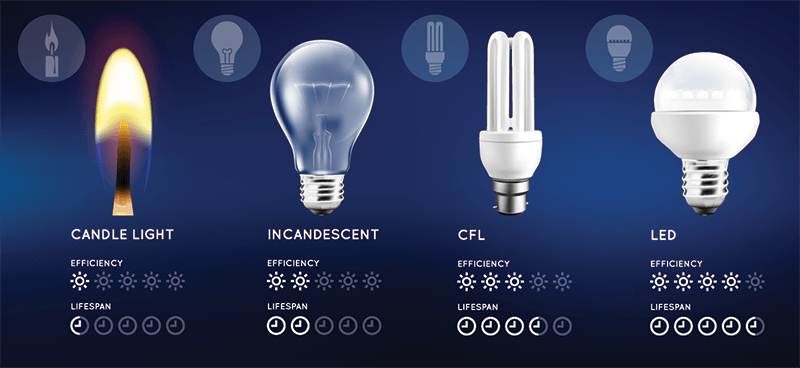
- How it Helps: LED bulbs, CFLs, and other energy-efficient lighting technologies use significantly less energy to produce the same amount of light compared to traditional incandescent bulbs.
- Impact: Reduced energy demand helps lower the strain on power grids, which can lead to less frequent power plant construction, fewer energy resources consumed, and less environmental degradation.
3. Conservation of Natural Resources
- How it Helps: By consuming less energy, energy-efficient lighting reduces the need for resource-intensive energy production processes, including coal mining, natural gas extraction, and the burning of fossil fuels.
- Impact: This conservation of resources supports sustainable development and reduces the environmental impact of resource extraction, which can lead to land degradation, habitat loss, and water pollution.
4. Reduced Waste
- How it Helps: Energy-efficient lighting products, particularly LEDs, have longer lifespans compared to traditional incandescent bulbs. LED bulbs can last up to 25,000 hours or more, while incandescent bulbs typically last only 1,000 hours.
- Impact: Longer-lasting bulbs reduce the frequency of replacement, resulting in less waste and fewer products ending up in landfills. This contributes to waste reduction efforts and the conservation of landfill space.
5. Decreased Heat Generation
- How it Helps: Energy-efficient lighting products, particularly LEDs, generate much less heat compared to traditional incandescent and halogen bulbs. Incandescent bulbs, for example, convert about 90% of their energy into heat, while LEDs convert most of their energy into light.
- Impact: Reduced heat output lowers the need for air conditioning in spaces, reducing overall energy consumption and contributing to less energy usage in cooling systems. This results in less energy demand and fewer greenhouse gas emissions associated with air conditioning.
6. Lower Mercury Usage
- How it Helps: Compact fluorescent lights (CFLs) contain small amounts of mercury, but they still have a lower environmental impact than incandescent bulbs in terms of energy savings. However, the use of LEDs eliminates the need for mercury altogether.
- Impact: The shift toward mercury-free lighting products, such as LEDs, helps prevent the potential contamination of the environment from mercury leakage in case of breakage and reduces the environmental impact of mercury disposal.
7. Reduced Light Pollution
- How it Helps: Many energy-efficient lighting products, especially LEDs, are designed to have better control over light distribution. This reduces light spill and minimizes light pollution in urban areas.
- Impact: By reducing unnecessary light emissions, energy-efficient lighting helps protect wildlife, improves human health, and contributes to better night-time visibility and safety.
8. Sustainability and Green Certifications
- How it Helps: Many energy-efficient lighting products are designed and manufactured in accordance with environmental standards, such as Energy Star and the European Union’s RoHS (Restriction of Hazardous Substances) guidelines. This ensures that the materials used are environmentally friendly and that the production processes follow sustainable practices.
- Impact: Products with green certifications promote responsible manufacturing practices, including energy-efficient production and the use of non-toxic materials. This encourages an overall shift towards environmentally responsible consumer behavior and sustainable product development.
9. Improved Building Sustainability
- How it Helps: Using energy-efficient lighting products is a key component of achieving high levels of sustainability in buildings. This is especially true for buildings that aim for green building certifications such as LEED (Leadership in Energy and Environmental Design).
- Impact: Buildings with energy-efficient lighting systems not only consume less energy but also support overall sustainability efforts, including reduced operational costs, lower carbon footprints, and enhanced environmental performance.
10. Lower Carbon Footprint Over Product Lifecycle
- How it Helps: Although energy-efficient lighting products may require more energy to manufacture initially, their extended lifespan and energy savings during use result in a significantly lower carbon footprint over their entire lifecycle.
- Impact: The reduced environmental footprint throughout the lifecycle of energy-efficient lighting products (from manufacturing to disposal) makes them a more sustainable option compared to traditional bulbs, which have higher resource usage and more frequent replacements.
Switching to energy-efficient lighting products offers a wide range of environmental benefits, including reduced energy consumption, lower greenhouse gas emissions, decreased resource usage, and less waste generation.