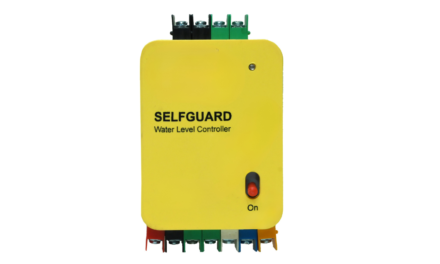
A power supply unit (PSU) is a critical component in electronic systems, converting electrical power into a usable form for various devices. Below are the main components of a typical power supply unit:
1. Transformer
- Function:
- Steps up or steps down the input AC voltage to the required level.
- Provides electrical isolation between the input and output circuits.
- Common Use: Found in linear power supplies and some switch-mode power supplies (SMPS).
2. Rectifier
- Function:
- Converts AC voltage to pulsating DC voltage.
- Uses diodes arranged in configurations like half-wave, full-wave, or bridge rectifiers.
- Common Use: Found in almost all power supplies that convert AC to DC.
3. Filter
- Function:
- Smooths out the pulsating DC from the rectifier to reduce ripples.
- Typically uses capacitors and sometimes inductors.
- Common Use: Ensures steady voltage output for sensitive electronic circuits.
4. Voltage Regulator
- Function:
- Maintains a constant output voltage regardless of variations in input voltage or load conditions.
- Can be linear regulators (e.g., LM7805) or switching regulators in SMPS.
- Common Use: Provides stable power to electronic devices.
5. Heat Sink
- Function:
- Dissipates heat generated by the transformer, rectifier, or voltage regulator.
- Ensures the components operate within safe temperature limits.
- Common Use: Found in high-power PSUs or those with linear regulators.
6. Switching Circuit (in SMPS)
- Function:
- Rapidly switches the input DC voltage on and off at high frequencies.
- Works with the transformer to provide efficient voltage conversion.
- Common Use: A core component of switch-mode power supplies.
7. Feedback Circuit
- Function:
- Monitors the output voltage and adjusts the regulator to maintain consistent output.
- Ensures precision in regulated power supplies.
- Common Use: Found in regulated power supplies and SMPS.
8. Input and Output Filters
- Function:
- Reduce electrical noise from entering or leaving the power supply.
- Typically composed of capacitors and inductors.
- Common Use: Ensures compatibility with sensitive electronic equipment.
9. Protection Circuits
- Function:
- Safeguards the PSU and connected devices from overvoltage, overcurrent, short circuits, and thermal overload.
- May include fuses, circuit breakers, or electronic protection mechanisms.
- Common Use: Enhances reliability and safety.
10. Enclosure or Casing
- Function:
- Houses all components and protects them from physical damage and environmental factors.
- Provides insulation to prevent electric shocks.
- Common Use: Found in all PSUs for safety and aesthetics.
11. Power Switch
- Function:
- Allows the user to turn the power supply on or off.
- Common Use: Often included in desktop and bench power supplies.
12. Indicator Lights/Display
- Function:
- Provides visual feedback about the power supply’s status (e.g., power on, fault condition).
- Common Use: Included in user-facing power supplies.
13. Input Connector
- Function:
- Connects the PSU to the main power source.
- Common Use: Compatible with AC mains or DC power sources.
14. Output Connector
- Function:
- Delivers the regulated power to the connected device or system.
- Common Use: Often modular or fixed cables with standard connectors.
The specific components of a power supply unit depend on its type (e.g., linear, SMPS) and application. A well-designed PSU integrates these components to deliver reliable, efficient, and safe power for electronic devices.