Electrical appliances significantly influence home energy consumption by determining how much energy is used for everyday tasks such as cooking, heating, lighting, cleaning, and entertainment. The type, efficiency, and usage patterns of these appliances all contribute to the overall energy consumption of a household. Here’s an in-depth look at how electrical appliances impact home energy consumption:
1. Energy Consumption of Different Appliances
- High-Energy Appliances: Some appliances consume a significant portion of home energy due to their power requirements and frequency of use. These include:
- Heating and Cooling Systems: Air conditioners, space heaters, and central heating systems can account for up to 50% of a home’s energy use, especially in extreme climates.
- Water Heaters: Electric water heaters are typically large energy consumers, often contributing 14-18% of total home energy usage, especially if used frequently for showers, baths, and laundry.
- Laundry Appliances: Washing machines and dryers use a considerable amount of electricity, especially when operating with hot water cycles and for drying clothes.
- Kitchen Appliances: Ovens, refrigerators, dishwashers, and microwaves can contribute heavily to energy use, particularly refrigerators that run continuously to maintain cool temperatures.
- Low-Energy Appliances: Smaller appliances, like lighting, TVs, and electronics, also contribute to energy consumption, but their impact is usually smaller in comparison to larger appliances.
2. Efficiency of Appliances
- Energy-Efficient Appliances: The energy consumption of electrical appliances is heavily influenced by their efficiency ratings. Modern appliances are often designed to use less energy while performing the same tasks. For example:
- Energy Star-rated appliances consume less electricity for the same performance compared to older, non-efficient models.
- LED lighting consumes significantly less energy than incandescent bulbs.
- High-efficiency washing machines and dishwashers use less water and electricity by employing optimized settings and technologies.
- Inverter Technology: Appliances like air conditioners, refrigerators, and fans equipped with inverter technology use variable speeds to match the demand, thus using less energy by avoiding energy-intensive startup phases and adjusting power based on usage patterns.
3. Usage Patterns and Behavioral Impact
- Frequency of Use: The more often an appliance is used, the higher its energy consumption. For instance, frequent use of the oven, air conditioner, or washing machine can lead to a higher monthly energy bill, even if each individual use is not particularly energy-intensive.
- Energy Usage Habits: Household energy consumption is heavily influenced by how individuals use appliances. For example:
- Leaving lights on when not needed, using high heat settings on appliances, or running appliances for longer than necessary can all increase energy use.
- Setting the thermostat to an extreme temperature in summer or winter can cause HVAC systems to run longer, increasing energy consumption.
- Standby Power (Vampire Power): Many appliances consume energy even when turned off but still plugged in. This standby power can account for up to 10% of household energy use, with appliances like TVs, microwaves, and chargers being major culprits. Using smart plugs or unplugging unused devices can reduce this waste.
4. Impact of Smart Appliances and Home Automation
- Smart Appliances: Appliances connected to smart home systems can improve energy efficiency. These include devices like smart thermostats, smart refrigerators, and intelligent lighting systems, which adjust energy use based on real-time data and user preferences. For instance:
- A smart thermostat can optimize heating and cooling by adjusting settings when people are not home or during sleep hours, thus reducing the demand for energy.
- Smart appliances (e.g., ovens and dishwashers) can be scheduled to run during off-peak hours to reduce energy consumption during peak demand periods.
- Home Automation: Home automation systems help manage multiple appliances at once. For example, home energy management systems can monitor real-time energy usage and suggest adjustments, leading to reduced energy consumption.
5. Energy Demand Shifting
- Peak Demand and Off-Peak Consumption: The timing of when energy is used in the home can influence the total consumption cost. Appliances like water heaters and dishwashers can be scheduled to run during off-peak hours (usually at night) when electricity rates are lower, helping to reduce costs and even lessen strain on the grid during peak demand periods.
- Time-of-Use (TOU) Pricing: Many utility companies offer time-of-use pricing plans where electricity costs vary by the time of day. Using appliances during off-peak hours, such as early mornings or late evenings, can result in savings on energy bills.
6. Impact of Lighting
- Lighting: While relatively small, lighting is a ubiquitous energy consumer in households. Traditional incandescent bulbs consume more power than LED or CFL bulbs, which are more energy-efficient and have longer lifespans. Switching to energy-efficient lighting can substantially reduce electricity usage and costs.
7. Refrigerators and Freezers
- Continuous Operation: Refrigerators and freezers run continuously, consuming a steady amount of energy. They use about 6-8% of the total energy in a typical home. Their energy consumption can vary depending on factors like:
- The age and efficiency of the appliance
- Temperature settings (lower settings increase energy use)
- Frequency of door opening (which leads to temperature fluctuation)
8. Impact of Home Appliances on Overall Household Carbon Footprint
- Carbon Footprint: The energy used by electrical appliances contributes to the overall carbon footprint of a home, particularly if the electricity is generated from fossil fuels like coal or natural gas. More energy-efficient appliances help reduce greenhouse gas emissions and contribute to environmental sustainability.
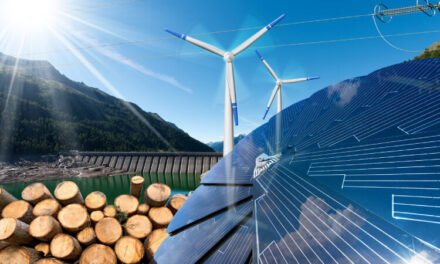
- Renewable Energy Integration: Homes using solar panels or other renewable energy sources may be able to offset the energy consumed by electrical appliances. For example, during sunny days, a solar-powered home can supply its own energy, reducing reliance on grid electricity and decreasing energy costs.
9. Standby Power and Energy Wastage
- Phantom Load: Many appliances continue to draw power even when turned off, which contributes to phantom load or vampire power. Appliances like TVs, chargers, and computers often consume small amounts of electricity when not in use. The total effect can add up over time, leading to unnecessary energy consumption.
10. Energy Star Ratings and Appliance Selection
- Choosing Energy-Efficient Appliances: When purchasing new appliances, opting for models with Energy Star ratings or equivalent energy efficiency labels ensures lower energy consumption. These appliances are designed to meet specific energy-saving standards and provide the same or better performance with less power.
Conclusion
Electrical appliances play a major role in home energy consumption, contributing to both high and low levels of energy use depending on their size, type, and efficiency. By selecting energy-efficient appliances, adjusting usage habits, leveraging smart technology, and using renewable energy, households can manage and reduce their overall energy consumption. This not only helps lower energy bills but also reduces environmental impact and promotes sustainability.
Hashtags
#EnergyEfficientAppliances #EnergySavingDevices #HomeEnergyEfficiency #EnergyEfficientLiving #EcoFriendlyAppliances #LowEnergyAppliances #GreenAppliances #SustainableHomeAppliances #SaveEnergyAtHome #SmartHomeTechnology #SmartHomeAppliances #SmartEnergyManagement #HomeAutomationForEnergy #ConnectedHomeTech #SmartHomeEnergyControl #IoTForEnergyEfficiency #EnergyEfficientSmartHomes #HomeEnergyAutomation #HomeEnergyTech #SmartEnergySolutions #AppliancePowerConsumption #ApplianceEnergyConsumption #PowerUsageTracking #EnergyConsumptionAtHome #HomeAppliancePowerUse #ApplianceEnergyUsage #ReducingPowerConsumption #MonitorApplianceEnergy #HighEnergyAppliances #EnergyIntensiveDevices