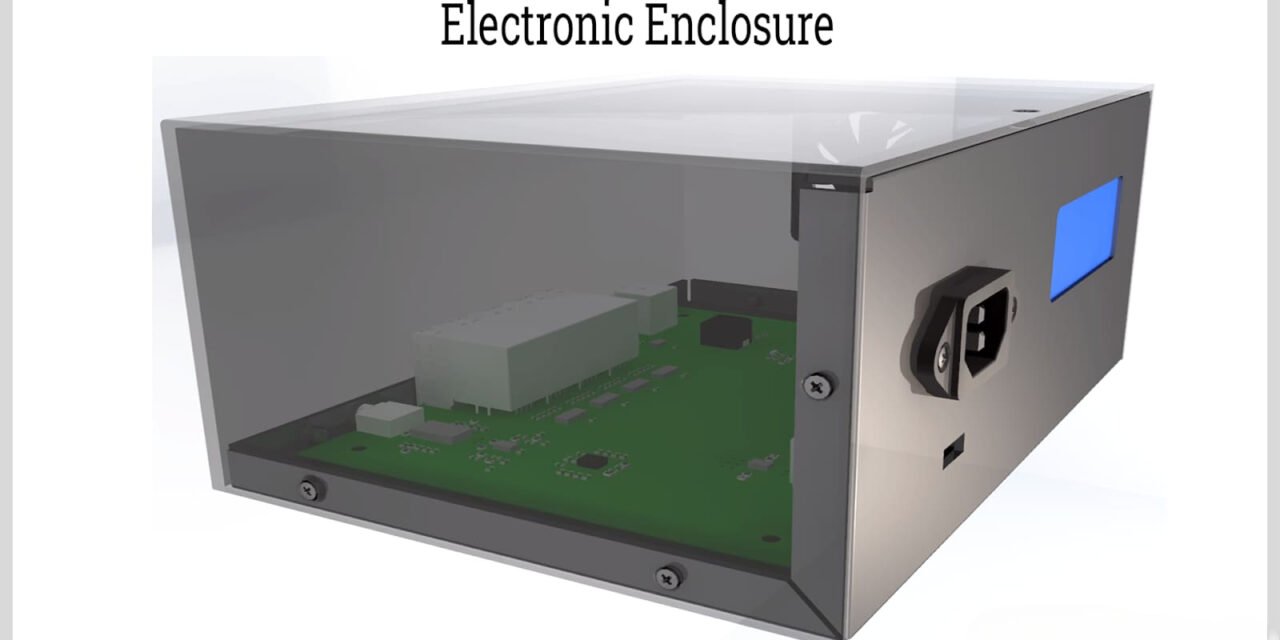
Electronic enclosures are protective casings or housings used to enclose and protect electrical and electronic components or systems from external environmental factors, such as dust, moisture, temperature fluctuations, and physical damage. These enclosures are typically made from materials like metal, plastic, or composite materials, and they serve as a barrier to safeguard sensitive components inside.
Importance of Electronic Enclosures:
- Protection from Environmental Hazards:
- Dust and Moisture Protection: Many electronic components are highly sensitive to dust, dirt, moisture, and other contaminants. Enclosures provide a physical barrier that prevents these elements from coming into contact with the internal components, ensuring the longevity and functionality of the system.
- Temperature Regulation: Electronic enclosures help maintain an appropriate temperature range by preventing overheating or excessive cooling, which can be detrimental to the performance of electronic circuits. Some enclosures come with built-in cooling mechanisms, like vents or fans.
- Safety:
- Electrical Safety: Enclosures protect users and operators from potential electrical hazards, such as electric shock or short circuits. They prevent accidental contact with live wires or components that could cause injury.
- Fire Safety: In the event of a malfunction or short circuit, enclosures made from fire-resistant materials can prevent the spread of fire, protecting both the system and surrounding equipment.
- EMI and RFI Shielding:
- Electromagnetic Interference (EMI): Enclosures, particularly metallic ones, can help shield electronic systems from electromagnetic interference, which could affect the performance of sensitive equipment.
- Radio Frequency Interference (RFI): Electronic enclosures can prevent RFI, which can disrupt communication systems or other electronic devices.
- Physical Protection:
- Mechanical Protection: Enclosures provide a protective casing that shields the electronic components from mechanical impacts, vibrations, and physical damage during transportation, installation, or operation.
- Impact Resistance: For applications where the equipment is exposed to harsh conditions, such as industrial environments, the enclosure can provide impact resistance to prevent the system from damage.
- Aesthetics and Organization:
- Enclosures provide a neat, organized appearance for electronic systems and help streamline the installation and setup of equipment. In addition, they can include mounting options or provide organized spaces for components to fit within, improving overall system design and usability.
- Compliance with Standards:
- Electronic enclosures help ensure that electrical and electronic systems comply with industry-specific standards for protection, safety, and environmental factors. These standards, such as IP (Ingress Protection) ratings and NEMA (National Electrical Manufacturers Association) standards, govern the level of protection provided by enclosures against environmental conditions.
- Versatility:
- Enclosures are available in various sizes, shapes, and materials, making them suitable for a wide range of applications, from household electronics and consumer devices to industrial machinery and critical infrastructure systems.
In summary, electronic enclosures are essential for protecting the internal components of electrical and electronic systems, ensuring their safety, reliability, and efficiency. By providing protection against environmental hazards, physical damage, and electrical risks, enclosures play a critical role in enhancing the lifespan and performance of electronic devices and systems across various industries.