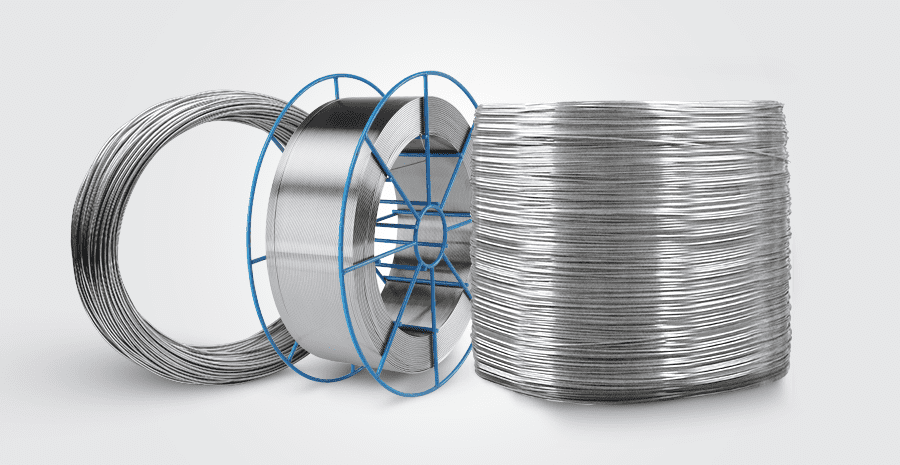
Stainless steel cables are widely used in critical applications due to their unique combination of mechanical and chemical properties. These properties contribute significantly to safety in demanding environments, ensuring durability, reliability, and performance. Here’s how stainless steel cables enhance safety:
1. High Tensile Strength
- Benefit: Stainless steel cables can withstand significant loads without breaking.
- Safety Impact: This makes them ideal for applications like suspension bridges, elevators, and cranes where load-bearing capacity is crucial to avoid catastrophic failures.
2. Corrosion Resistance
- Benefit: Stainless steel is highly resistant to rust and corrosion, especially grades like 316, which include molybdenum for added protection against chloride-induced corrosion.
- Safety Impact: Corrosion resistance ensures the structural integrity of cables in harsh environments such as marine, chemical, or industrial settings, reducing the risk of material failure over time.
3. Fatigue Resistance
- Benefit: Stainless steel cables can endure repeated stress and flexing without developing cracks or breaking.
- Safety Impact: This is critical in applications like aerospace, automotive, and machinery, where cables experience dynamic loads. High fatigue resistance minimizes the risk of unexpected failure under cyclic loading.
4. Fire and Heat Resistance
- Benefit: Stainless steel maintains its strength and integrity at high temperatures, unlike other materials that may weaken or melt.
- Safety Impact: In applications such as fire escapes, high-temperature industrial processes, and safety-critical infrastructure, stainless steel cables ensure reliability even in extreme heat.
5. Non-Magnetic Properties (Specific Grades)
- Benefit: Austenitic grades like 304 and 316 are non-magnetic, which prevents magnetic interference.
- Safety Impact: This property is essential in sensitive environments like medical equipment, MRI rooms, or electronic systems, ensuring operational safety and accuracy.
6. Resistance to Chemical Exposure
- Benefit: Stainless steel is highly resistant to chemical attacks, particularly in grades like 316 and duplex steels.
- Safety Impact: This ensures the cables’ durability in chemical plants, oil rigs, and wastewater treatment facilities, where exposure to corrosive substances is common.
7. Durability and Longevity
- Benefit: Stainless steel cables have an extended service life due to their resistance to wear, corrosion, and environmental degradation.
- Safety Impact: Fewer replacements and maintenance needs reduce the risk of failure, particularly in applications where regular inspections may be challenging, such as deep-sea exploration or high-rise construction.
8. Minimal Stretch Under Load
- Benefit: Stainless steel cables have low elongation properties, meaning they maintain their length and shape under heavy loads.
- Safety Impact: This is critical for applications like suspension bridges, structural reinforcements, and zip lines, where excessive stretching could compromise safety.
9. Hygiene and Cleanliness (Specific Applications)
- Benefit: Stainless steel is easy to clean and does not harbor bacteria or contaminants.
- Safety Impact: In food processing, healthcare, and pharmaceutical industries, this property ensures compliance with hygiene standards, protecting public health and safety.
10. UV and Weather Resistance
- Benefit: Stainless steel cables are unaffected by ultraviolet (UV) rays and can endure exposure to severe weather conditions.
- Safety Impact: This property ensures safety in outdoor applications such as architectural designs, marine rigging, and outdoor structures by preventing material degradation over time.
The properties of stainless steel cables, such as high strength, corrosion resistance, and durability, make them indispensable for critical safety applications. They provide reliability and longevity, reducing risks associated with mechanical failure, environmental degradation, or insufficient performance under demanding conditions. These attributes are why stainless steel cables are trusted in industries where safety is non-negotiable.